What is Contemporary ABA?

People often say that history is written by the victors. When the colonists won the American Revolution, they described the war as a noble struggle to escape tyranny. Had the British won, history books might have called it a heroic effort to save the empire from ungrateful rebels. 

In the same way, most people in America are able-bodied, so they decide what is “normal.” For example, we might see an autistic brain or someone with poor eyesight (but stronger other senses) as less valuable. But really, these are just different ways of thinking and living. 

For more than 60 million Americans with disabilities, this can be a challenge. They have to fit their lives into a world designed for able-bodied people, even though it would be easy to make the world work for everyone.  

Ableism and Ableist Misconceptions

Contemporary treatments include the individual in planning when possible. Contemporary practices change in response to the voices of those who have received therapy in the past. 

Ableism is when able-bodied people assume everyone is like them and fail to see the challenges people with disabilities face.  

Ableism includes unfair ideas, such as thinking people with disabilities always need help, even if they don’t ask for it. Not all disabilities are visible, which can lead to wrong assumptions about mental illnesses being different from physical ones. These false beliefs make it harder for people with disabilities to be treated equally and included in society.  



ABA Intervention

Applied behavior analysis (ABA) is widely regarded as the most effective treatment for autism, supported by decades of research. It isn’t a single therapy method. Instead, it’s a flexible approach that uses different techniques to help children build the skills they need to thrive at school and in daily life. 

Recently, ABA has increasingly become the target of much controversy as self-advocates are speaking up about their experiences. They reject the idea that teaching people with autism the skills deemed necessary without their input or choice. Some advocates say independence is meaningless without happiness and that people with autism should choose their own goals, which might not include fitting in with others.  

ABA, which is essentially the science of good teaching, has a long history and was originally developed in the 1960s by a group of researchers at the University of Washington. ABA was used to treat individuals with developmental disabilities and initially was a rigid, highly structured and teacher-directed program, which led to some of the negative experiences and associations with ABA. Historically, for example, ABA was used to reduce or eliminate “stimming” – repetitive physical movements and sounds that may soothe and reduce anxiety. We now better understand that stimming helps people with autism manage their sensory processing and their environments. 

Just like in other areas of medicine and science, the field of ABA has advanced in a significant and meaningful way to become a play-based, naturalistic, family-focused and individualized, contemporary treatment that is tailored to the unique needs and goals of everyone. A good ABA program collects and reports data to show effectiveness. Providers must demonstrate success, validated by parents, through goals set with the family. If your provider doesn’t follow this approach, they may not be using best practices.  

ABA now adapts to individual needs by learning from adults. While negative experiences must be addressed, dismissing ABA entirely overlooks its success for many. Good programs focus on the client, seek consent, and value input. Research and ask key questions when choosing a provider.  



What to Look for in an ABA Program 

  • Will I participate in determining the goals of treatment for myself/my child? 
  • How are your staff trained? 
  • How is my child’s program developed? Do all clients receive the same program or are they individualized? 
  • Will there be parent goals as part of my child’s program? 
  • How often is my child’s program modified or revised? 
  • How is data collected and reported? 
  • How often will I see data on my child’s progress? 

Your child’s program should be client-centered and future looking, which means that your family and relevant caregivers are providing input into your child’s strengths and challenges, and that you and your child are helping to guide the goals of his/her program based on your preferences and needs. 

The science of ABA has a long history with decades of research to support its development and evolution. While ABA is most widely known in its application to autism, ABA was developed, and has been applied, to address many circumstances regarding behavior that matter to society. ABA is applied in many different areas, including mental health, animal training, organizational behavior management, marketing, forensics, sports, and physical health, to name a few. Just as other areas of science and medicine advance and application of treatments change, so has the field of ABA. Many lives have been impacted by ABA for the better. It is incumbent upon the professional community to listen, learn, and evolve its practice so that their services are as relevant and effective as possible. After all, the purpose of ABA is to help children with autism achieve the goals that matter most to them and their families — goals that foster growth, independence, and joy in their everyday lives.  

SPARKS ABA Learning Center Now Open in Springfield, VA

No Waitlist and Expanded Year-Round Services for Fairfax County Area Families

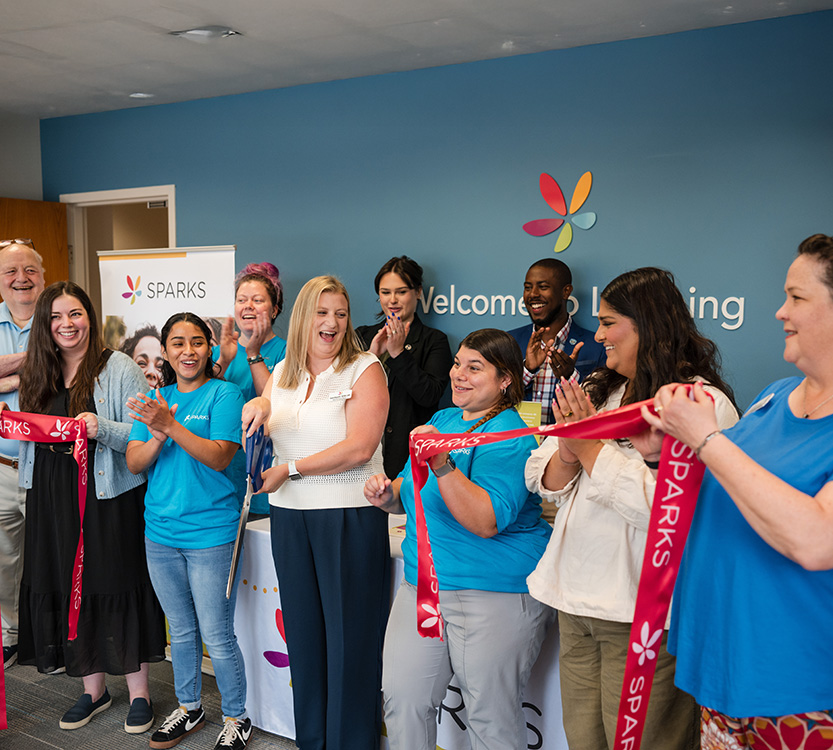
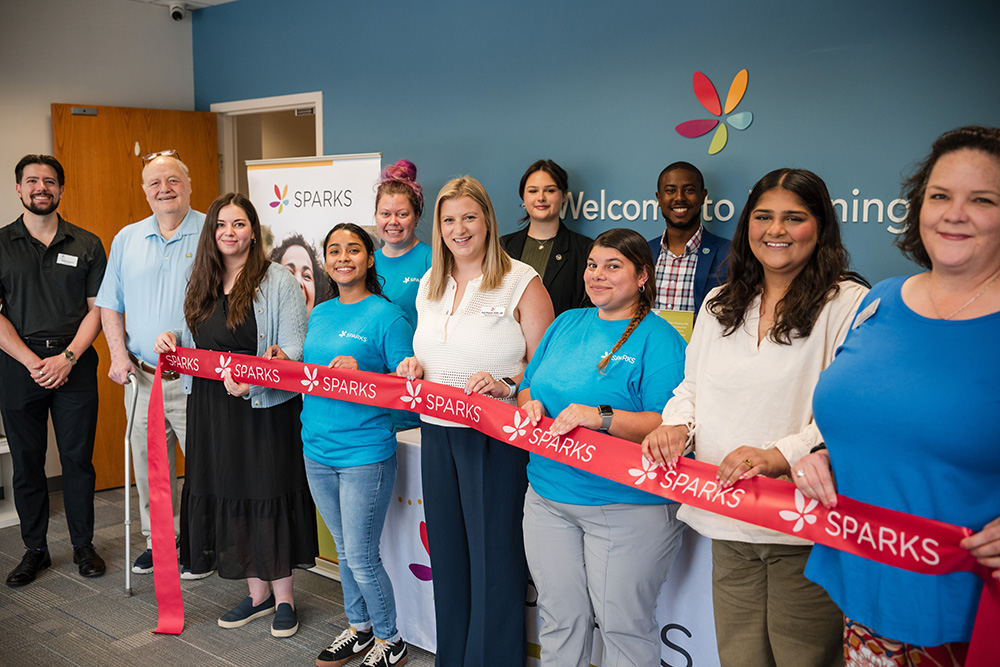
SPRINGFIELD, VA… SPARKS ABA, a provider of LEARN Behavioral, has recently opened the doors of its new Learning Center at 5501 Backlick Road, Springfield, VA 22151.

SPARKS ABA is Virginia’s premiere contemporary applied behavior analysis (ABA) provider of center-based autism services for children and adolescents ages 18 months to 15 years. The Backlick Rd. Learning Center is SPARKS ABA’s second location in Springfield.

“We are thrilled to open our doors and expand our compassionate, contemporary ABA therapy for children with autism spectrum disorder (ASD) and families throughout Fairfax County,” said Kayla Bagnato. “Through highly personalized support, we aim to empower each child and young adult to gain independence to succeed in school and life and reach their highest potential.”

The new Springfield Learning Center offers center-based and in-home ABA services, SPARK Saturdays (social skills group), and parent education/training.

Key Features of the Springfield Learning Center:

  • Large facility which includes a gross motor space for physical and social development.
  • ABA therapy, which includes a learning-rich environment, unique play-based learning spaces, and one-on-one support.
  • Serving children ages 18 months to 15 years old with personalized therapy plans.
  • Launchpad Learning – a school readiness program for children ages 3 to 6.
  • No waitlist and flexible treatment hours that include after-school hours to accommodate busy family schedules.
  • Conveniently located right off I-495 and I-395, and easily accessible for families in the region.

The center is now enrolling new clients in the Fairfax County area and beyond.

SPARKS ABA, part of LEARN Behavioral, a national leader in compassionate autism treatment, has been a leading provider of evidence-based autism services for 15 years. SPARKS ABA is dedicated to personalized, high-quality ABA therapy. For more information or to enroll a child at the Springfield Learning Center, call (703) 373-7557 or visit https://www.sparksaba.com.

About LEARN Behavioral

LEARN Behavioral is a national leader in autism treatment, offering comprehensive diagnostic services and contemporary applied behavior analysis (ABA) therapy for children with autism spectrum disorder (ASD). With a nationwide network of ABA providers and more than 100 Learning Centers across the country, LEARN delivers the highest standard of evidence-based care—customized to meet the unique needs and interests of each child and family. For more information, visit learnbehavioral.com.

Making the Most of Summer Break by Building Essential Skills

As the school year draws to a close, summer break ushers in a bit of a recess for parents — a hiatus from packed lunchboxes, school runs, and homework.

For families with children with autism, though, summer break can also mean disruption to your routine. It can create a lack of social interaction, and it can mean there are more demands on your time as a parent.

Here’s where you can turn those challenges around. Summer doesn’t have to be a lull in the progress your child with autism has been making all year. All you need is a strategy to leverage summer break to be a time to help your child build essential skills.

That starts with setting clear goals, creating a new routine, and incorporating skill-building into fun activities. But how do you do that?

Look for Structured, Play-Based Programs

The first step is to find a program that can keep your child engaged in social activities. Providers in cities across the country offer structured, play-based social skills programs. These programs are crafted with children in mind, aiming to bolster key skills such as socializing, communication, cognition, and sensory perception — all through the power of play.

These summer programs often take place in play-based, group settings, mirroring the school environment, but with the added benefit of one-on-one support. They foster collaboration and inclusion, often welcoming siblings to join, too.

Building a More Trusting Environment

Next, make sure your child is engaged in the process. In the world of applied behavior analysis (ABA), behavior technicians and behavior analysts lead summer social skills programs and promote group activities that help children build friendships.

Programs group children of similar age and skill level and include age-appropriate games and activities. This helps them to learn and communicate effectively.

You might hear your ABA provider using terminology like taking an “assent-based practice.” That’s an approach that focuses on making sure your child agrees to participate in treatment. Using an assent-based practice, therapists encourage children in the program to step out of their comfort zone and try new things. This approach is person-centered and fosters a safer and more trusting environment.

Staying Active to Prevent the ‘Summer Slide’

The “summer slide” refers to the learning loss students experience during summer breaks. Social skills programs for children with autism can play a crucial role in preventing the “summer slide” by promoting continuous growth and development.

These strategies can turn summer break challenges into opportunities to:

  • Build a consistent routine: A summer social skills program that provides a consistent daily schedule is often comforting to children with autism.
  • Help your child retain skills: By continually practicing social skills throughout the summer, your child can retain and even improve upon the skills they learned during the school year.
  • Encourage peer Interaction: Summer programs offer opportunities for social interaction with peers, which is critical for building friendships.
  • Foster personal growth: Summer social skills programs can boost self-esteem and confidence by providing opportunities for success and achievement.
  • Give you a respite: Summer programs can also provide parents with a much-needed break, allowing you to recharge while knowing your child is in a safe and nurturing environment.

Summer break can be more than just a pause from school. With the right approach and resources, it can be a valuable opportunity for your child with autism to continue their development and build essential skills.

By integrating structured play-based programs into your summer routine, you can foster a trusting environment that encourages personal growth and social interaction, while also providing a much-needed respite for you as a parent.

So, view this summer not as a challenge, but as a chance to fuel your child’s progress, further nurturing their unique potential.

Click here for more ideas on making the most of summer.

Reducing Behavior Technician Burn Out

Melissa Furman, a Clinical Director for Total Spectrum- Michigan West joins us to discuss the importance of staff retention in the field of ABA and to share her recent research that is looking to improve staff satisfaction and reduce turnover. We explore the importance of consistency for families utilizing services as well as the factors leading to burnout in the field. Melissa shared how her recent work is helping both these goals, “Implementing an incentive plan to increase positive descriptive feedback during field supervision creates a happier environment, fuels good work, and provides a space where BT’s want to come to work.”

All autism talk (allautismtalk.com) is sponsored by LEARN Behavioral (learnbehavioral.com).

Moms Roundtable: Autism, Wellness, and Motherhood

In this episode we are joined by three dynamic women who share their perspectives on how to best care for yourself and your family while raising a child with autism.  Arfa Alam, a first generation Muslim American with neurodiverse family returns to share her wisdom and passion with us. Heather Link is a clinical Director who shares her experiences of both providing services and receiving services for her own family. Liza Hellenbrand is the mother of a thriving, 21 year old son with autism who also hosts the Empowered Caregiver podcast. Join this powerful women’s circle as they share from different backgrounds and experiences to offer sage advice to other moms.

For more information:

https://podcasts.apple.com/us/podcast/the-empowered-caregiver


All autism talk (allautismtalk.com) is sponsored by LEARN Behavioral (learnbehavioral.com).

Advocating for Your Family and Good, Contemporary ABA With Arfa Alam

Arfa Alam is a senior manager at the Partnership for Public Service, a non-profit that envisions a dynamic and innovative federal government that effectively serves our diverse nation. Prior to joining the Partnership, Arfa performed labor human rights and social responsibility work in more than 40 countries in both the public and private sectors. Arfa joins us to share her experience and deep conviction for the appropriate care, and rights for all. She is the proud mother, wife, and sister of disabled and differently-abled individuals, including her two autistic sons, her husband who lives with early onset Parkinson’s disease, and her twin sister, who is deaf and was the first person in life to teach her about differences and empathy. 

As she shares, “As a first-generation American, it is particularly important to me to bring awareness, acceptance, and inclusion to our communities for individuals with disabilities and neurodivergences.” Arfa’s passion for public service stems from her experience as a first-first-generation Muslim-American with special needs family members. We are grateful for the opportunity to have this discussion with Arfa and we look forward to having her with us again soon.

For more information:

https://www.bestbuddies.org/

https://marybarbera.com/

All autism talk (allautismtalk.com) is sponsored by LEARN Behavioral (learnbehavioral.com).

Advancing Autism Services: Our Commitment to Public Policy

Written by Dr. Ashley Williams, Ph.D., LABA, BCBA-D, Vice President

National Social Justice Day is a time to reflect on the progress made in creating a more equitable and inclusive society. At LEARN Behavioral, this commitment goes beyond the confines of our therapy rooms; it extends into the heart of public policy advocacy. Our dedication to social justice is evident through our active involvement in various organizations and our continuous efforts to champion policies that support the autism community.

1. Advocating for Autism Services Nationwide

LEARN Behavioral is proud to be an active member of the Council for Autism Service Providers (CASP). Our leadership team actively participates as CASP Special Advocacy Group Leaders in 11 states where LEARN Behavioral operates. This engagement allows us to contribute firsthand to the shaping of policies that impact individuals with autism and their families. Additionally, our membership in the National Coalition for Access to Autism Services (NCAAS) underscores our commitment to addressing state and federal barriers to autism services. By collaborating with like-minded organizations, we strive to create a unified voice advocating for positive change on a broader scale.

2. Advancing Autism Equity Through State Organizations

At LEARN Behavioral, we understand the importance of grassroots efforts in promoting social justice. Our active involvement in local trade and professional organizations, including CalABA, BABAT, WAPA, ORABA, MAC, MIBAP, reflects our dedication to the larger behavior analytic community. Through volunteering and membership in these organizations, we aim to contribute to the development of equitable services for the diverse communities we serve. We believe that fostering connections within the behavioral community is crucial to creating a more inclusive and supportive environment for all.

3. Leading National Advocacy Efforts for Autism Policy Reform

LEARN Behavioral is fortunate to have resident experts in public policy who actively contribute to the
advancement of the autism community. LEARN leaders have published peer-reviewed journal articles on
public policy, presented at local and national conferences, and provided numerous testimonies
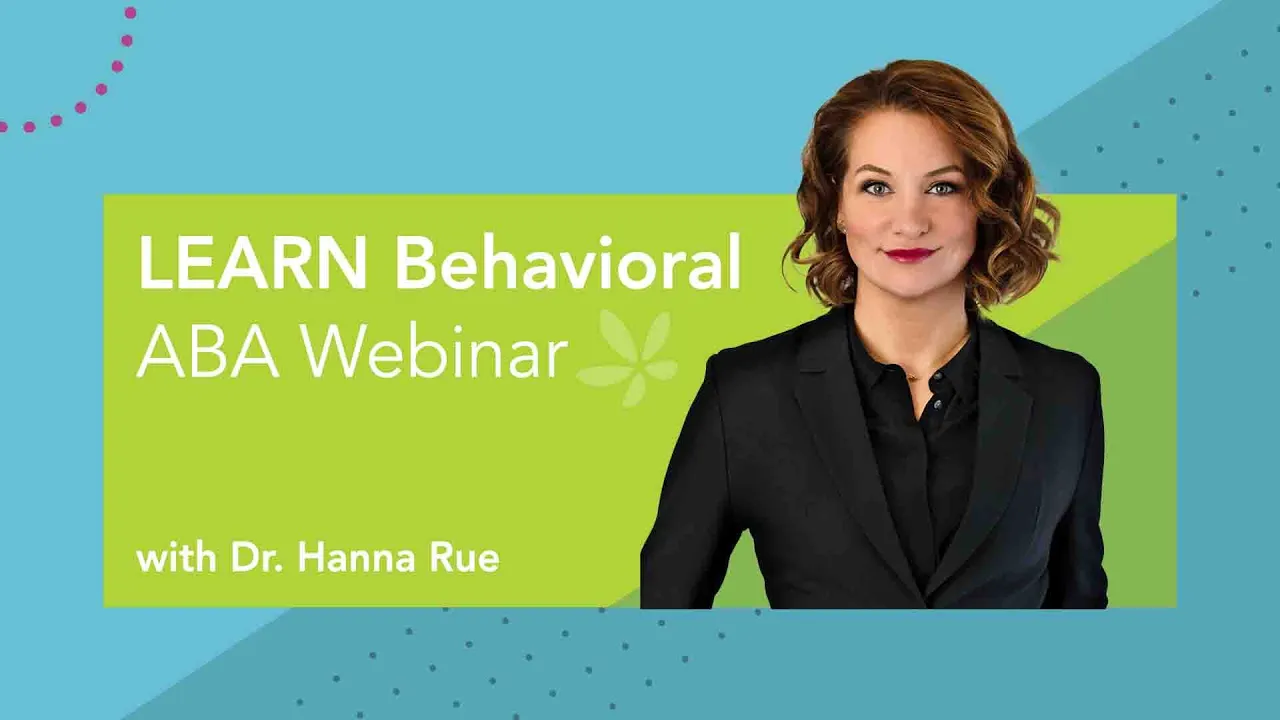
advocating for access to care. Our chief clinical officer, Dr. Hanna Rue, is a beacon of leadership in this
regard. Her participation in NCAAS’s “day on the hill” in Washington, D.C., exemplifies our commitment
to effecting change at the highest levels. By engaging with House and Senate offices, we strive to
influence initiatives that positively impact the autism community on a national scale.

4. LEARN Advocacy Network

The LEARN Advocacy Network, led by Dr. Rebecca Thompson, is a vital part of LEARN Behavioral’s public policy efforts, providing a monthly meeting ground for leaders from each state. Driving our advocacy initiatives, this collaborative team engages in meaningful discussions, sharing insights, and staying abreast of the latest developments in public policy. The network serves as a platform where LEARN Behavioral leaders exchange information, ensuring a well-coordinated and informed approach to navigating the complex landscape of policy initiatives.

As we observe National Social Justice Day, it is imperative to recognize the multifaceted approach LEARN Behavioral takes to contribute to a more just and equitable society. Through active participation in national and state organizations, as well as championing public policy initiatives, we are dedicated to making a lasting impact. Our commitment to social justice extends beyond our therapeutic interventions, reflecting our belief in the power of advocacy and policy to create positive change for individuals with autism and their families.

The Advances and Challenges of DEI Initiatives in ABA

Brandon Whitfield, Sr. Clinical Director for AST, part of LEARN Behavioral has presented at several conferences including BABA’s (Black Applied Behavior Analysts) inaugural conference to share ways ABA agencies can bring more equity to the field of ABA. In this conversation, Brandon discusses his role in helping to create The Black Master’s cohort and mentorship program as well as the ongoing need to prioritize DEI advancement in ABA. 

For more information: 

https://learnbehavioral.com/culture

https://learnbehavioral.com/culture/dei

The Importance of Ethical Decision Making For Behavior Analysts

Dr. Linda LeBlanc, a Licensed Psychologist and author of 3 books on supervision joins us to discuss her latest book about ethics which she co-authored with Dr. Amanda Karsten, who is the Assistant Professor in the Department of Psychology at Grand Valley State University. Their new book titled Proactive and Practical Decision Making for Behavior Analysis explores the critical need for continually examining and evolving the role of ethics in providing services. As Dr. Karsten shared, “I hope we can help normalize the range of emotions that early career folks may be experiencing but also empower them with strategies they can put into motion and navigate step by step. And to know that being in a difficult ethical situation is not going to overwhelm them.”

For more information:

https://sloanpublishing.com/ethics

All Autism Talk (https://www.allautismtalk.com/) is sponsored by LEARN Behavioral (https://learnbehavioral.com/learnacademy).

Making the Most of Summer Break by Building Essential Skills

As the school year draws to a close, summer break ushers in a bit of a recess for parents — a hiatus from packed lunchboxes, school runs, and homework.

For families with children with autism, though, summer break can also mean disruption to your routine. It can create a lack of social interaction, and it can mean there are more demands on your time as a parent.

Here’s where you can turn those challenges around. Summer doesn’t have to be a lull in the progress your child with autism has been making all year. All you need is a strategy to leverage summer break to be a time to help your child build essential skills.

That starts with setting clear goals, creating a new routine, and incorporating skill-building into fun activities. But how do you do that?

Look for Structured, Play-Based Programs

The first step is to find a program that can keep your child engaged in social activities. Providers in cities across the country offer structured, play-based social skills programs. These programs are crafted with children in mind, aiming to bolster key skills such as socializing, communication, cognition, and sensory perception — all through the power of play.

These summer programs often take place in play-based, group settings, mirroring the school environment, but with the added benefit of one-on-one support. They foster collaboration and inclusion, often welcoming siblings to join, too.

Building a More Trusting Environment

Next, make sure your child is engaged in the process. In the world of applied behavior analysis (ABA), behavior technicians and behavior analysts lead summer social skills programs and promote group activities that help children build friendships.

Programs group children of similar age and skill level and include age-appropriate games and activities. This helps them to learn and communicate effectively.

You might hear your ABA provider using terminology like taking an “assent-based practice.” That’s an approach that focuses on making sure your child agrees to participate in treatment. Using an assent-based practice, therapists encourage children in the program to step out of their comfort zone and try new things. This approach is person-centered and fosters a safer and more trusting environment.

Staying Active to Prevent the ‘Summer Slide’

The “summer slide” refers to the learning loss students experience during summer breaks. Social skills programs for children with autism can play a crucial role in preventing the “summer slide” by promoting continuous growth and development.

These strategies can turn summer break challenges into opportunities to:

  • Build a consistent routine: A summer social skills program that provides a consistent daily schedule is often comforting to children with autism.
  • Help your child retain skills: By continually practicing social skills throughout the summer, your child can retain and even improve upon the skills they learned during the school year.
  • Encourage peer Interaction: Summer programs offer opportunities for social interaction with peers, which is critical for building friendships.
  • Foster personal growth: Summer social skills programs can boost self-esteem and confidence by providing opportunities for success and achievement.
  • Give you a respite: Summer programs can also provide parents with a much-needed break, allowing you to recharge while knowing your child is in a safe and nurturing environment.

Summer break can be more than just a pause from school. With the right approach and resources, it can be a valuable opportunity for your child with autism to continue their development and build essential skills.

By integrating structured play-based programs into your summer routine, you can foster a trusting environment that encourages personal growth and social interaction, while also providing a much-needed respite for you as a parent.

So, view this summer not as a challenge, but as a chance to fuel your child’s progress, further nurturing their unique potential.

Click here for more ideas on making the most of summer.