What is Contemporary ABA?

People often say that history is written by the victors. When the colonists won the American Revolution, they described the war as a noble struggle to escape tyranny. Had the British won, history books might have called it a heroic effort to save the empire from ungrateful rebels. 

In the same way, most people in America are able-bodied, so they decide what is “normal.” For example, we might see an autistic brain or someone with poor eyesight (but stronger other senses) as less valuable. But really, these are just different ways of thinking and living. 

For more than 60 million Americans with disabilities, this can be a challenge. They have to fit their lives into a world designed for able-bodied people, even though it would be easy to make the world work for everyone.  

Ableism and Ableist Misconceptions

Contemporary treatments include the individual in planning when possible. Contemporary practices change in response to the voices of those who have received therapy in the past. 

Ableism is when able-bodied people assume everyone is like them and fail to see the challenges people with disabilities face.  

Ableism includes unfair ideas, such as thinking people with disabilities always need help, even if they don’t ask for it. Not all disabilities are visible, which can lead to wrong assumptions about mental illnesses being different from physical ones. These false beliefs make it harder for people with disabilities to be treated equally and included in society.  



ABA Intervention

Applied behavior analysis (ABA) is widely regarded as the most effective treatment for autism, supported by decades of research. It isn’t a single therapy method. Instead, it’s a flexible approach that uses different techniques to help children build the skills they need to thrive at school and in daily life. 

Recently, ABA has increasingly become the target of much controversy as self-advocates are speaking up about their experiences. They reject the idea that teaching people with autism the skills deemed necessary without their input or choice. Some advocates say independence is meaningless without happiness and that people with autism should choose their own goals, which might not include fitting in with others.  

ABA, which is essentially the science of good teaching, has a long history and was originally developed in the 1960s by a group of researchers at the University of Washington. ABA was used to treat individuals with developmental disabilities and initially was a rigid, highly structured and teacher-directed program, which led to some of the negative experiences and associations with ABA. Historically, for example, ABA was used to reduce or eliminate “stimming” – repetitive physical movements and sounds that may soothe and reduce anxiety. We now better understand that stimming helps people with autism manage their sensory processing and their environments. 

Just like in other areas of medicine and science, the field of ABA has advanced in a significant and meaningful way to become a play-based, naturalistic, family-focused and individualized, contemporary treatment that is tailored to the unique needs and goals of everyone. A good ABA program collects and reports data to show effectiveness. Providers must demonstrate success, validated by parents, through goals set with the family. If your provider doesn’t follow this approach, they may not be using best practices.  

ABA now adapts to individual needs by learning from adults. While negative experiences must be addressed, dismissing ABA entirely overlooks its success for many. Good programs focus on the client, seek consent, and value input. Research and ask key questions when choosing a provider.  



What to Look for in an ABA Program 

  • Will I participate in determining the goals of treatment for myself/my child? 
  • How are your staff trained? 
  • How is my child’s program developed? Do all clients receive the same program or are they individualized? 
  • Will there be parent goals as part of my child’s program? 
  • How often is my child’s program modified or revised? 
  • How is data collected and reported? 
  • How often will I see data on my child’s progress? 

Your child’s program should be client-centered and future looking, which means that your family and relevant caregivers are providing input into your child’s strengths and challenges, and that you and your child are helping to guide the goals of his/her program based on your preferences and needs. 

The science of ABA has a long history with decades of research to support its development and evolution. While ABA is most widely known in its application to autism, ABA was developed, and has been applied, to address many circumstances regarding behavior that matter to society. ABA is applied in many different areas, including mental health, animal training, organizational behavior management, marketing, forensics, sports, and physical health, to name a few. Just as other areas of science and medicine advance and application of treatments change, so has the field of ABA. Many lives have been impacted by ABA for the better. It is incumbent upon the professional community to listen, learn, and evolve its practice so that their services are as relevant and effective as possible. After all, the purpose of ABA is to help children with autism achieve the goals that matter most to them and their families — goals that foster growth, independence, and joy in their everyday lives.  

SPARKS ABA Learning Center Now Open in Springfield, VA

No Waitlist and Expanded Year-Round Services for Fairfax County Area Families

SPRINGFIELD, VA… SPARKS ABA, a provider of LEARN Behavioral, has recently opened the doors of its new Learning Center at 5501 Backlick Road, Springfield, VA 22151.

SPARKS ABA is Virginia’s premiere contemporary applied behavior analysis (ABA) provider of center-based autism services for children and adolescents ages 18 months to 15 years. The Backlick Rd. Learning Center is SPARKS ABA’s second location in Springfield.

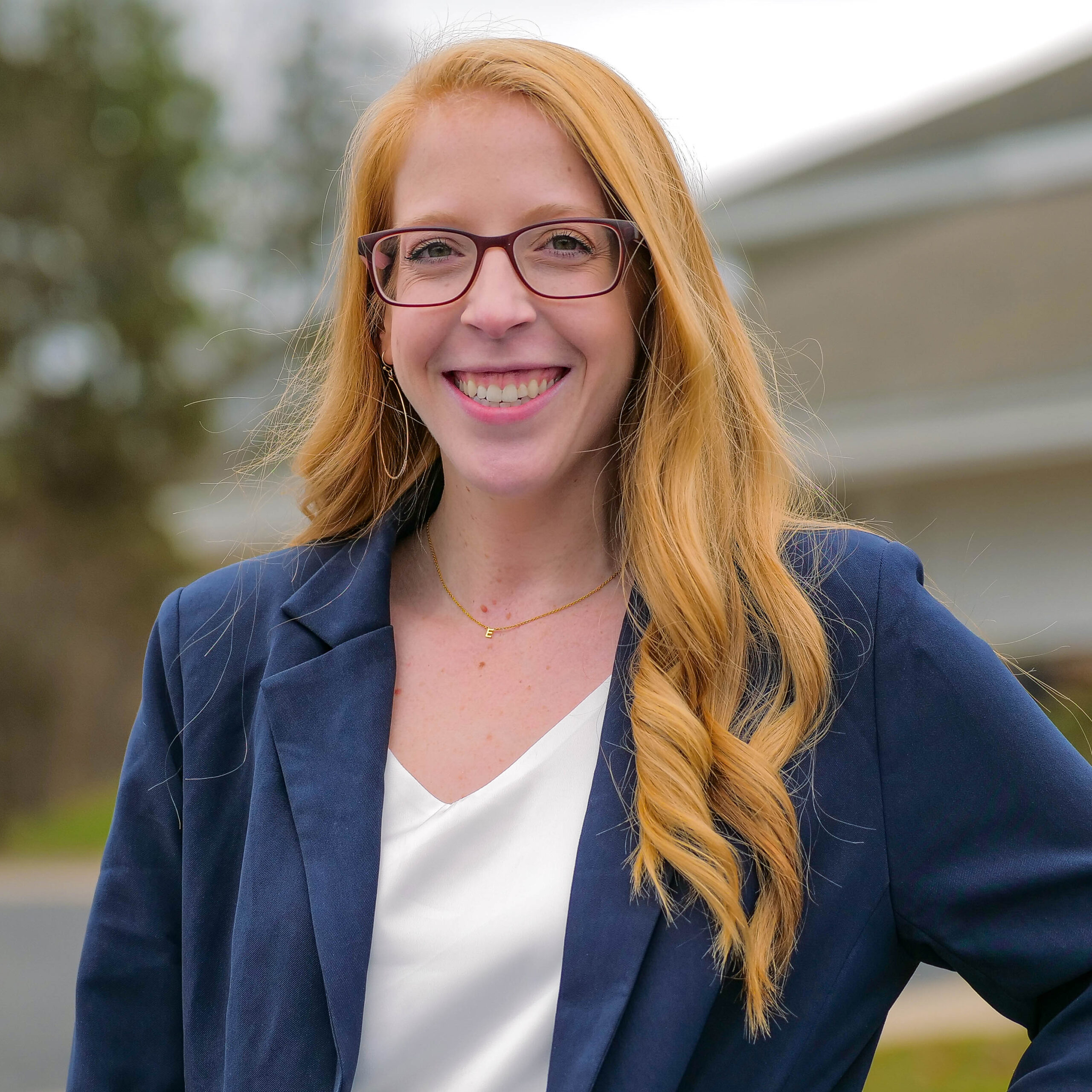
“We are thrilled to open our doors and expand our compassionate, contemporary ABA therapy for children with autism spectrum disorder (ASD) and families throughout Fairfax County,” said Kayla Bagnato. “Through highly personalized support, we aim to empower each child and young adult to gain independence to succeed in school and life and reach their highest potential.”

The new Springfield Learning Center offers center-based and in-home ABA services, SPARK Saturdays (social skills group), and parent education/training.

Key Features of the Springfield Learning Center:

  • Large facility which includes a gross motor space for physical and social development.
  • ABA therapy, which includes a learning-rich environment, unique play-based learning spaces, and one-on-one support.
  • Serving children ages 18 months to 15 years old with personalized therapy plans.
  • Launchpad Learning – a school readiness program for children ages 3 to 6.
  • No waitlist and flexible treatment hours that include after-school hours to accommodate busy family schedules.
  • Conveniently located right off I-495 and I-395, and easily accessible for families in the region.

The center is now enrolling new clients in the Fairfax County area and beyond.

SPARKS ABA, part of LEARN Behavioral, a national leader in compassionate autism treatment, has been a leading provider of evidence-based autism services for 15 years. SPARKS ABA is dedicated to personalized, high-quality ABA therapy. For more information or to enroll a child at the Springfield Learning Center, call (703) 373-7557 or visit https://www.sparksaba.com.

About LEARN Behavioral

LEARN Behavioral is a national leader in autism treatment, offering comprehensive diagnostic services and contemporary applied behavior analysis (ABA) therapy for children with autism spectrum disorder (ASD). With a nationwide network of ABA providers and more than 100 Learning Centers across the country, LEARN delivers the highest standard of evidence-based care—customized to meet the unique needs and interests of each child and family. For more information, visit learnbehavioral.com.

SPARKS Opens New Learning Center in Manassas, VA

With over 10 years of experience providing compassionate contemporary ABA therapy to children with autism, we’re delighted to share that we opened a new SPARKS Learning Center this fall in Manassas, Virginia. The new center held an open house that included an official ribbon-cutting with their local Chamber of Commerce and opportunities for families to tour the facility, speak with the leadership team, and participate in fun activities. This new location offers a supportive, learning-rich environment where children with autism can work on individual skills in a group setting.

We couldn’t be more excited to support more families in the communities we serve. To learn more about where our services are located, find a location.

Autistic Voices Inside ABA: The Conversation the Field Needs

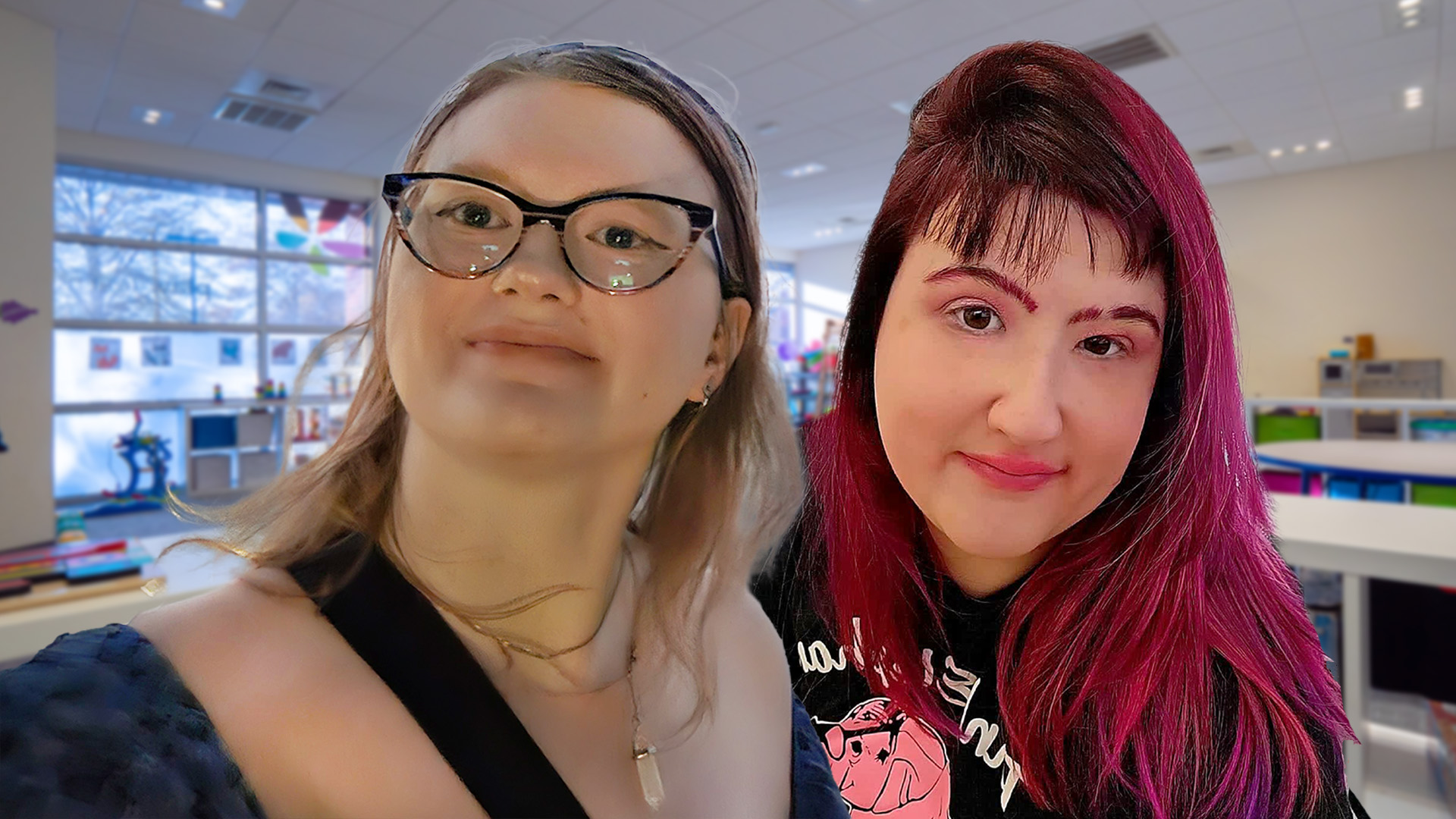
In this episode, Samantha and Reux—autistic adults working in applied behavior analysis—share their personal journeys from diagnosis to professional life. They reflect on early employment challenges, the critical role of workplace support, and why autistic voices matter in the field. Their stories offer hope to families, guidance for new behavior technicians, and a powerful reminder of the independence and success autistic individuals can achieve.

View the transcript, show notes, and previous episodes at: https://www.allautismtalk.com/episodes/autistic-voices-in-aba-the-conversation-the-field-needs

All Autism Talk is sponsored by LEARN Behavioral.

Reducing Behavior Technician Burn Out

Melissa Furman, a Clinical Director for Total Spectrum- Michigan West joins us to discuss the importance of staff retention in the field of ABA and to share her recent research that is looking to improve staff satisfaction and reduce turnover. We explore the importance of consistency for families utilizing services as well as the factors leading to burnout in the field. Melissa shared how her recent work is helping both these goals, “Implementing an incentive plan to increase positive descriptive feedback during field supervision creates a happier environment, fuels good work, and provides a space where BT’s want to come to work.”

All autism talk (allautismtalk.com) is sponsored by LEARN Behavioral (learnbehavioral.com).

Autism: Symptoms and Signs

Dr. Genevieve Marshall, BCBA, breaks down myths about autism, the early signs of autism, and what you can do to keep yourself informed on best practices. To learn more about ABA therapy and services available to you, visit https://learnbehavioral.com/services/find-a-location

Advocating for Your Family and Good, Contemporary ABA With Arfa Alam

Arfa Alam is a senior manager at the Partnership for Public Service, a non-profit that envisions a dynamic and innovative federal government that effectively serves our diverse nation. Prior to joining the Partnership, Arfa performed labor human rights and social responsibility work in more than 40 countries in both the public and private sectors. Arfa joins us to share her experience and deep conviction for the appropriate care, and rights for all. She is the proud mother, wife, and sister of disabled and differently-abled individuals, including her two autistic sons, her husband who lives with early onset Parkinson’s disease, and her twin sister, who is deaf and was the first person in life to teach her about differences and empathy. 

As she shares, “As a first-generation American, it is particularly important to me to bring awareness, acceptance, and inclusion to our communities for individuals with disabilities and neurodivergences.” Arfa’s passion for public service stems from her experience as a first-first-generation Muslim-American with special needs family members. We are grateful for the opportunity to have this discussion with Arfa and we look forward to having her with us again soon.

For more information:

https://www.bestbuddies.org/

https://marybarbera.com/

All autism talk (allautismtalk.com) is sponsored by LEARN Behavioral (learnbehavioral.com).

Shaping the Future: Influential Women in Autism and ABA Therapy

March is Women’s History Month. It’s a time to celebrate the accomplishments of women in all walks of life.

In the area of autism and contemporary applied behavior analysis (ABA) therapy, many women have made a lasting mark. They’ve broken barriers. They’ve conducted significant research, and they’ve paved the way for better understanding and treatment of autism.

Today, we spotlight seven women who have shown us what it means to lead with passion, dedication, and commitment. They are making a difference, and their work continues to inspire future generations of women in the field.

1. Temple Grandin: The Trailblazing Voice in Autism Advocacy

Temple Grandin, Ph.D., is a name synonymous with autism advocacy. Born in 1947, she was diagnosed with autism in early childhood. Despite the challenges, she went on to become an esteemed academic and animal behaviorist. She has gained recognition for writing books and delivering speeches on autism and animal behavior. Today, she is a professor of animal science at Colorado State University.

2. Greta Thunberg: Championing Climate Action and Autism Acceptance

Greta Thunberg is a Swedish environmental activist. She has gained global recognition for her efforts to fight climate change. She’s also known for being openly autistic. She has referred to her autism as her “superpower,” and has discussed how it has helped her in her activism by allowing her to focus intensely on topics that interest her. Greta has used her platform to advocate for acceptance and understanding of autism. On her Facebook page, she identifies herself as an “Autistic climate justice activist.”

3. Breanna Clark: Shattering World Records and Autism Stereotypes

Breanna Clark is an American Paralympic athlete who was diagnosed with autism at age 4. She competes in T20 category races, a classification for athletes with intellectual impairments. She has represented athletes with autism on an international stage. Off the track, she’s been an advocate and role model for people with autism.

4. Ronit Molko: A Powerful Force in Autism Therapy and Entrepreneurship

Ronit Molko, Ph.D., BCBA-D, is another luminary in the field. She is a thought leader and subject matter expert in autism spectrum disorder, developmental disabilities, and behavioral healthcare. She co-founded Autism Spectrum Therapies (acquired by Learn It Systems) and is a LEARN Behavioral board member. In this All Autism Talk podcast, she talks about how ongoing research is helping us better understand the unique challenges girls with autism face.

5. Devon Sundberg: Shaping the Future of ABA Therapy and Autism Awareness

Devon Sundberg, MS, BCBA, co-founded the Behavior Analysis Center for Autism (BACA). She has made significant contributions to the field of behavior analysis, both through her work at BACA and as the founder of the Women in Behavior Analysis conference. In this All Autism Talk podcast, she shares how raising three daughters helped open her eyes to how gendered life can be — and about the need for more women in the autism field.

6. Hanna Rue: Pioneering Innovations in Autism Treatment and Research

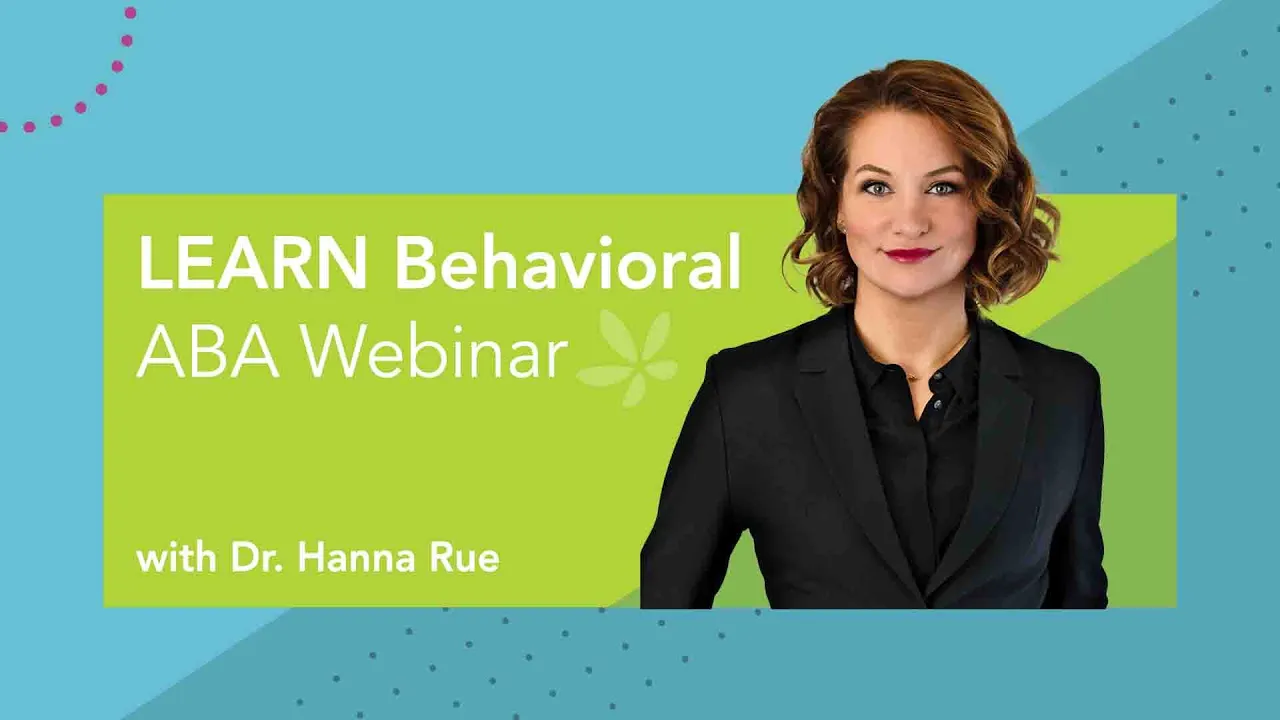
Hanna Rue, Ph.D., BCBA-D, is chief clinical officer for LEARN Behavioral. Her research interests are broad and include the identification of evidence-based practices for the treatment of autism. Her influence in the field of autism is evident in her wide-ranging work that spans clinical care, research, and advocacy. She has made significant contributions to STEM fields, sharing her insights through various platforms, including top-performing podcast episodes about autism, and extending her influence and reach in the autism community.

7. Sabrina Daneshvar: Revolutionizing the Field with Innovation and Compassion

Sabrina Daneshvar, Ph.D., BCBA-D, serves as the senior vice president of clinical services at LEARN Behavioral. Her research interests include video modeling and teaching social skills. This work has contributed to developing innovative strategies for improving social skills in children with autism. Sabrina has also taught, mentored, and trained many graduate students pursuing their degrees.

These are just a few women who have helped to shape the field of autism and ABA therapy. Their work underscores the importance of early intervention, peer support, and recognizing the diverse signs and symptoms of autism in girls and women.

We celebrate these women and everyone who has made contributions to advance our understanding of autism. They provide hope and inspiration to countless families across the world affected by it.

Advancing Autism Services: Our Commitment to Public Policy

Written by Dr. Ashley Williams, Ph.D., LABA, BCBA-D, Vice President

National Social Justice Day is a time to reflect on the progress made in creating a more equitable and inclusive society. At LEARN Behavioral, this commitment goes beyond the confines of our therapy rooms; it extends into the heart of public policy advocacy. Our dedication to social justice is evident through our active involvement in various organizations and our continuous efforts to champion policies that support the autism community.

1. Advocating for Autism Services Nationwide

LEARN Behavioral is proud to be an active member of the Council for Autism Service Providers (CASP). Our leadership team actively participates as CASP Special Advocacy Group Leaders in 11 states where LEARN Behavioral operates. This engagement allows us to contribute firsthand to the shaping of policies that impact individuals with autism and their families. Additionally, our membership in the National Coalition for Access to Autism Services (NCAAS) underscores our commitment to addressing state and federal barriers to autism services. By collaborating with like-minded organizations, we strive to create a unified voice advocating for positive change on a broader scale.

2. Advancing Autism Equity Through State Organizations

At LEARN Behavioral, we understand the importance of grassroots efforts in promoting social justice. Our active involvement in local trade and professional organizations, including CalABA, BABAT, WAPA, ORABA, MAC, MIBAP, reflects our dedication to the larger behavior analytic community. Through volunteering and membership in these organizations, we aim to contribute to the development of equitable services for the diverse communities we serve. We believe that fostering connections within the behavioral community is crucial to creating a more inclusive and supportive environment for all.

3. Leading National Advocacy Efforts for Autism Policy Reform

LEARN Behavioral is fortunate to have resident experts in public policy who actively contribute to the
advancement of the autism community. LEARN leaders have published peer-reviewed journal articles on
public policy, presented at local and national conferences, and provided numerous testimonies
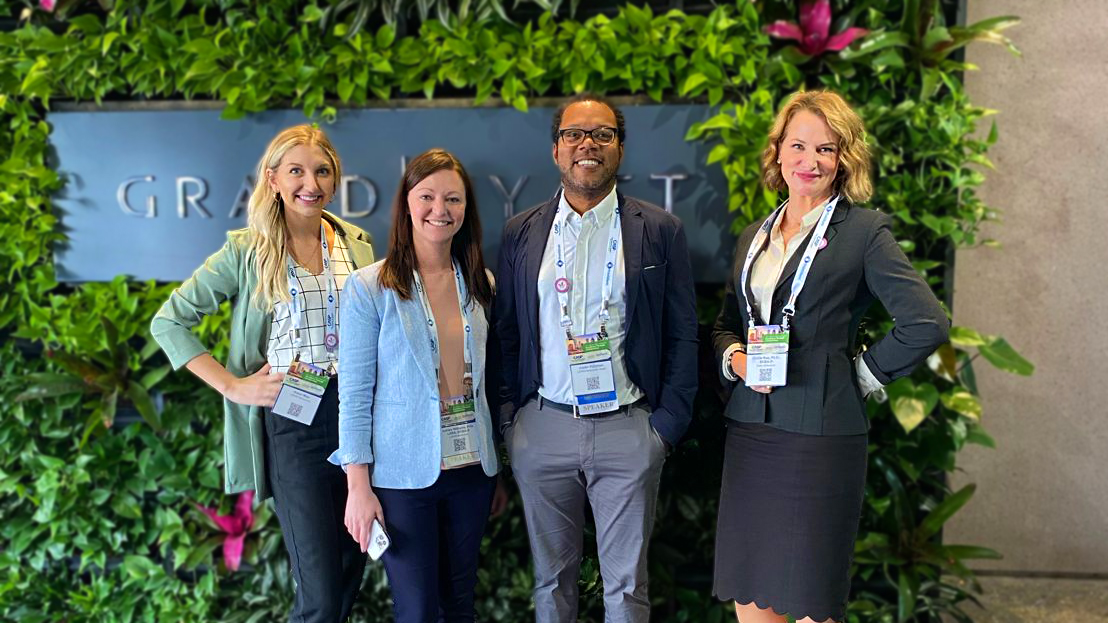
advocating for access to care. Our chief clinical officer, Dr. Hanna Rue, is a beacon of leadership in this
regard. Her participation in NCAAS’s “day on the hill” in Washington, D.C., exemplifies our commitment
to effecting change at the highest levels. By engaging with House and Senate offices, we strive to
influence initiatives that positively impact the autism community on a national scale.

4. LEARN Advocacy Network

The LEARN Advocacy Network, led by Dr. Rebecca Thompson, is a vital part of LEARN Behavioral’s public policy efforts, providing a monthly meeting ground for leaders from each state. Driving our advocacy initiatives, this collaborative team engages in meaningful discussions, sharing insights, and staying abreast of the latest developments in public policy. The network serves as a platform where LEARN Behavioral leaders exchange information, ensuring a well-coordinated and informed approach to navigating the complex landscape of policy initiatives.

As we observe National Social Justice Day, it is imperative to recognize the multifaceted approach LEARN Behavioral takes to contribute to a more just and equitable society. Through active participation in national and state organizations, as well as championing public policy initiatives, we are dedicated to making a lasting impact. Our commitment to social justice extends beyond our therapeutic interventions, reflecting our belief in the power of advocacy and policy to create positive change for individuals with autism and their families.

The Advances and Challenges of DEI Initiatives in ABA

Brandon Whitfield, Sr. Clinical Director for AST, part of LEARN Behavioral has presented at several conferences including BABA’s (Black Applied Behavior Analysts) inaugural conference to share ways ABA agencies can bring more equity to the field of ABA. In this conversation, Brandon discusses his role in helping to create The Black Master’s cohort and mentorship program as well as the ongoing need to prioritize DEI advancement in ABA. 

For more information: 

https://learnbehavioral.com/culture

https://learnbehavioral.com/culture/dei