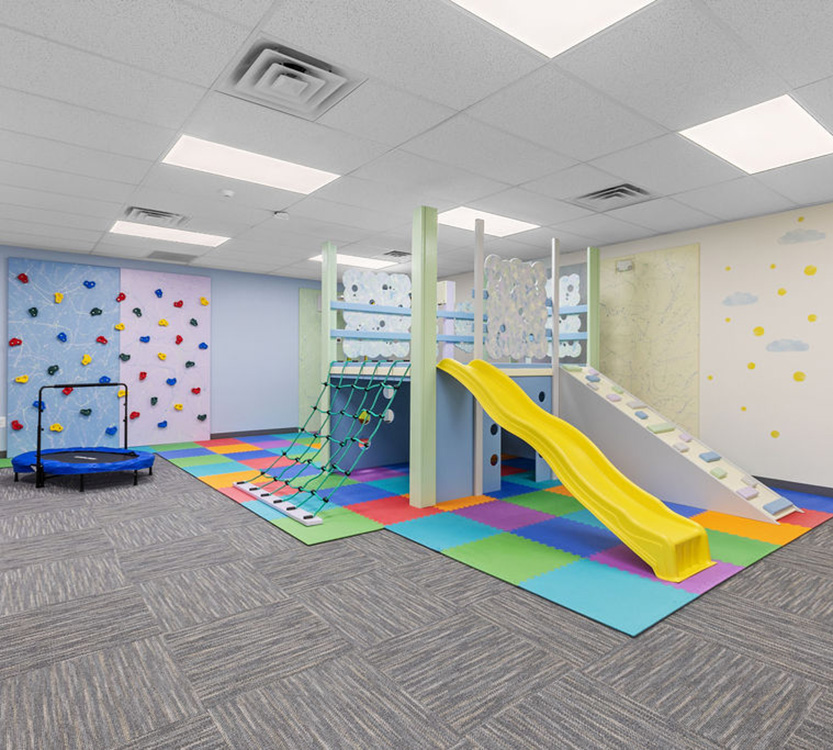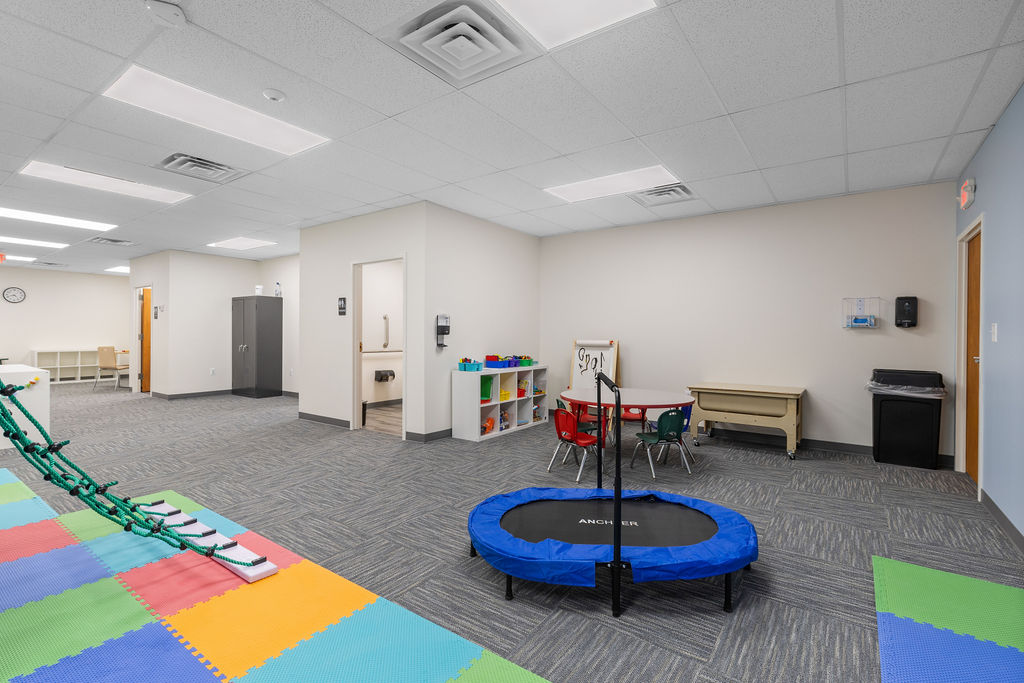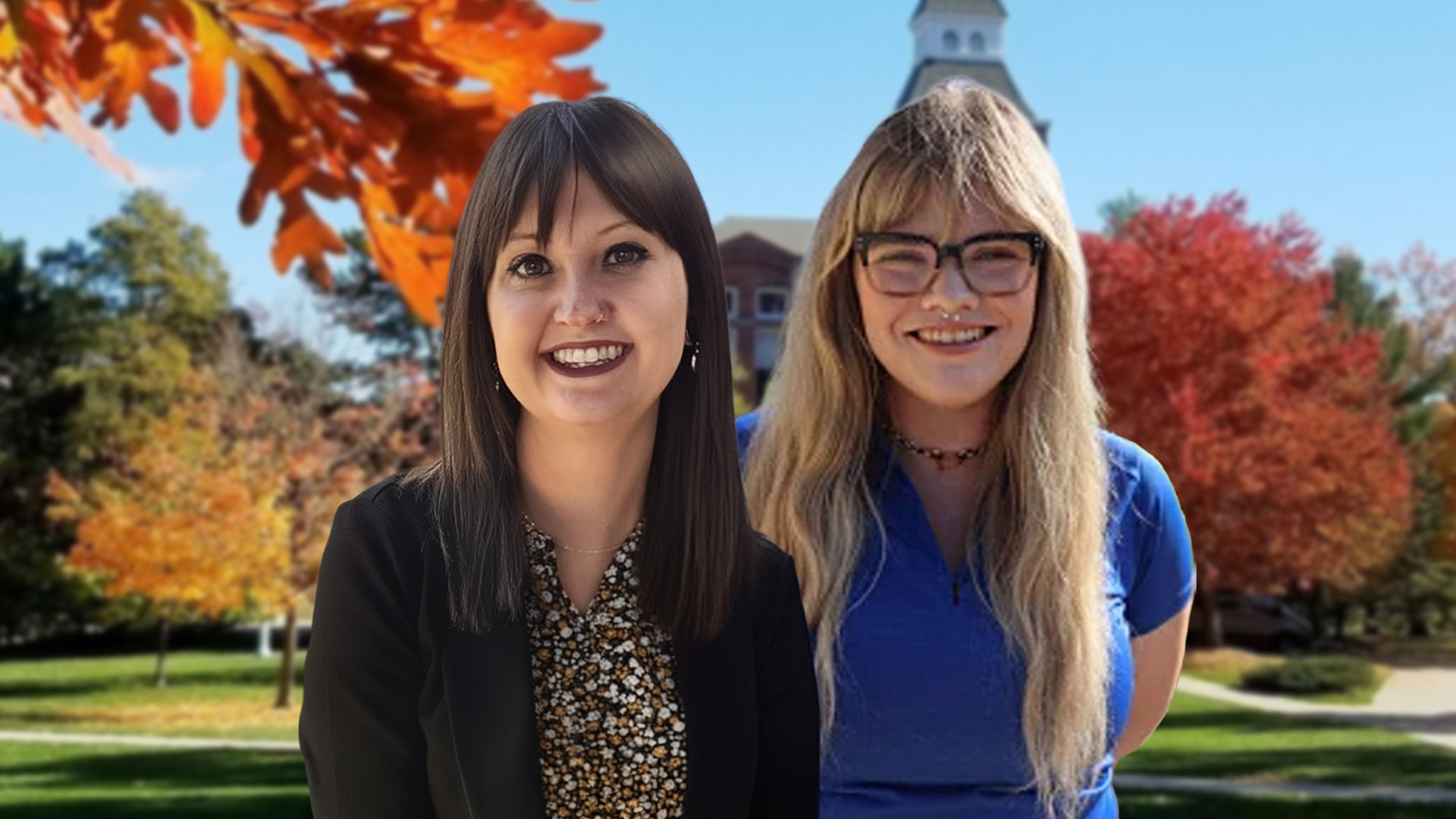
In this episode, Emilie Brotherton and Darby Schwien take us inside the ASCEND program at Missouri State University, a unique initiative supporting students with autism and other mental health challenges. They share how the program fosters connection through mentorship, social events, and a thoughtfully designed space for neurodivergent students. The conversation highlights the power of community, the impact of inclusive support systems, and offers helpful insight for prospective students exploring programs like ASCEND.
With over 10 years of experience providing compassionate contemporaryABA therapy to children with autism, we’re delighted to share that we opened a new SPARKS Learning Center this fall in Manassas, Virginia. The new center held an open house that included an official ribbon-cutting with their local Chamber of Commerce and opportunities for families to tour the facility, speak with the leadership team, and participate in fun activities. This new location offers a supportive, learning-rich environment where children with autism can work on individual skills in a group setting.
We couldn’t be more excited to support more families in the communities we serve. To learn more about where our services are located, find a location.
How One Mom Built Life-Changing Tools for Her Autistic Son
Updated On
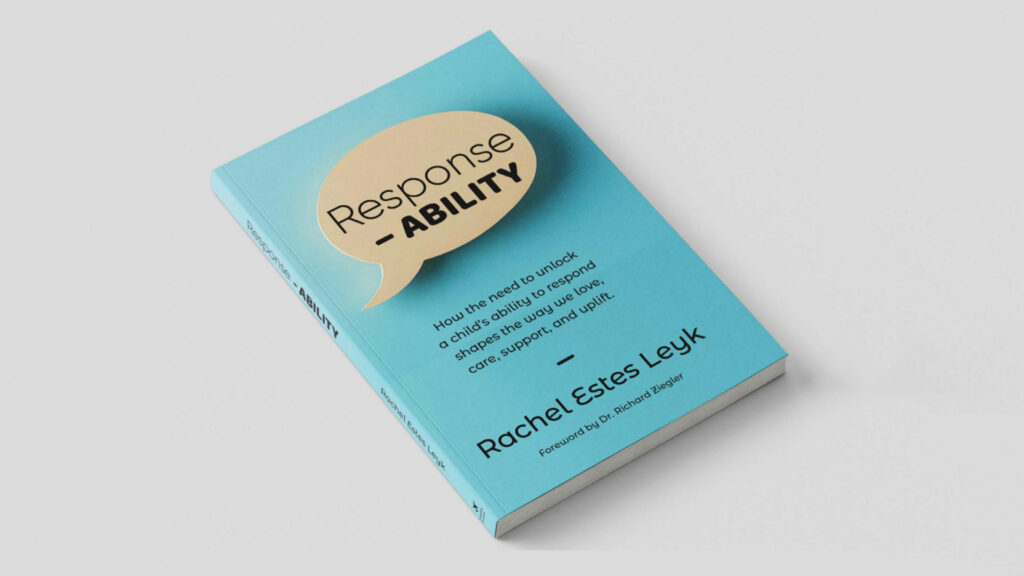
Rachel Estes Leyk is a mother, businesswoman, coach, and advocate who delivers heartfelt and highly practical strategies for raising emotionally resilient, self-aware children. In this conversation, she opens up about a moment of crisis in her family that became the catalyst for her advocacy, which has led to helping others to do the same. Her upcoming book, Response-ABILITY: How the Need to Unlock a Child’s Ability to Respond Shapes the Way We Love, Care, Support, and Uplift, is available for pre-order and launches on January 18, 2026.
8 Tips for Planning for a Successful Holiday for Your Child with Autism
Updated On
The holidays are an exciting time as we share traditions, spend time with family, and navigate the different gatherings and celebrations. Holiday spirit can also bring holiday stress. We want to help you and your family have the most successful (and least stressful) season by offering our best practices and tips.
BEFORE THE HOLIDAYS
Start with Expectations
Having a positive and realistic mindset about what you want to create can make a big difference. What could go right this season? Keep an optimistic view of the possibilities for special moments you want to share. A winning holiday doesn’t have to mean extravagant plans. Consider what would be ideal, be prepared to accept when flexibility is needed, and look for the wins along the way.
Consider Comfort and Safety Needs
When visiting events or other homes, bring items you know will bring comfort for your child—things like earplugs (or headphones), fidgets, and soft clothes. When traveling, ask for needed accommodations from your airline and hotel. Make sure you are aware of possible water nearby and review crisis plans with loved ones.
Practice Before Events
Now is a great time to discuss upcoming changes to schedules and routines. Involve your child in the process whenever possible. Playing memory games with photos of those you will see this holiday season allows your child to identify matching names and faces. Establish a phrase or code word with your child to practice using when they need to take a break from events to calm down and relax.
DURING THE HOLIDAYS
Maintain Routines
During the holidays, change is inevitable but find ways to create or maintain routines for your child. What are things you can build into every day? Perhaps it’s something you do together each morning, afternoon, and evening (regardless of location). Utilizing visual supports like calendars and independent activity schedules can be helpful too.
Build in Fun!
Whether days are filled with errands or time at home, consider letting your child choose a couple of activities each morning for the day ahead. Here are some suggestions that might work for your family:
Bake something together
Do holiday arts and crafts
Take a drive to see holiday lights in your neighborhood, zoo, or garden
Help with decorations or gift wrapping
Sing along with holiday music
Consider Sensory Needs
Holiday meals can be tricky for some. Plan ahead for alternative foods that you know your child will eat. As we mentioned earlier, being mindful of dressing in (or packing extra) comfortable clothing can be helpful. Preferred items, such as toys or other objects that help promote calm for your child, are a good idea too. Consider making a sensory box that includes things to stimulate your child’s touch/sight/sound/taste/smell. Finally, establish a quiet “break space” that your child can utilize when needed.
WRAPPING UP THE HOLIDAYS
Plan for Rest and Recovery
After each scheduled big event or outing, try to allow time for a quiet evening that follows. Start a list or document on your computer of things that went well that you want to repeat and ideas about what would make it easier next time.
Transition Back to School
Packing holiday decorations and unpacking clothes can be helpful signals to your child that things are moving back to the normal routine. Other visual cues like a countdown calendar for back to school can help prepare them. Show them when school starts and have them mark off the days. Leave extra time the first morning back to school so you can have a nice breakfast and move with ease into the day. If possible, organize a nice, calm activity after school and focus on what went well at the end of the day.
Growing Up With Autism And Finding Belonging and Purpose
Published:
Andrew Moore serves as Directory Administrator for Autistic Minds, an educational charity and resource center in the UK joins us to share his story of finding meaningful employment, mentors, and friends as an autistic adult. For Andrew, connecting with the organization Autistic Minds opened a whole new world. As he shares, “I just needed guidance and support for the fundamentals.”
All autism talk (allautismtalk.com) is sponsored by LEARN Behavioral (learnbehavioral.com).
Sensory Overload at School
Updated On
Sensory overload happens when the brain receives more sensory input than it can process. For children on the autism spectrum, this sensory overload often stems from perceptual or biological experiences, but can also be triggered by changes to their routine or learning environment.
Explore what contributes to sensory issues, how this might manifest in your child, and ways to support children in developing coping strategies or supporting their preferences. Subscribe to stay in the loop about helpful tips for your child with sensory sensitivities!
Join Our Team of Behavior Analysts
Published:
What’s it like to work as a Behavior Analyst with LEARN Behavioral and our network of providers? Hear from real Behavior Analysts about what their experience has been like.
LEARN more about how you can pursue excellence with LEARN by visiting our Advance Your Career page.
5 Holiday Blogs Every Parent of a Child with Autism Should Read
Published:
The holidays are a time of joyous celebrations, filled with family gatherings and festive traditions. However, for some families with children on the autism spectrum, these changes in routines and schedules can present unique challenges.
Navigating this season requires thoughtful planning and understanding. To support you, we’ve curated our top holiday-themed blogs, offering tips from calming activities to successful holiday planning. Discover more below and check out our All Autism Talk podcast episode “Creating a Successful Holiday for Children with Autism” for additional ideas.
Discover practical solutions to help children with autism enjoy the holidays. This blog suggests creating a calm-down kit, using quiet spaces, and engaging in activities like yoga or meditation to manage sensory overload.
Gift-giving can be tricky, but this blog provides tips to choose the perfect gifts for children with autism. It emphasizes focusing on the child’s interests, strengths, and safety needs to ensure a joyful holiday experience.
Planning is key to a stress-free holiday. This blog advises on maintaining routines, considering sensory needs, and practicing before events to allow for a smooth holiday season.
Adaptability is crucial for holiday success. This blog highlights the importance of adjusting expectations and choosing traditions that work for your child.
Gratitude can transform holiday experiences. This blog explores how fostering gratitude in children with autism can enhance their social and emotional well-being.
Incorporating these strategies can lead to a more joyful and stress-free holiday season for your family. By tailoring these tips to fit your child’s unique needs, you can create an environment where they can thrive during festive celebrations.
Living a Full Life with Autism with Martin Slyngstad
Published:
Martin Slyngstad a Behavior Specialist, and currently in school to become a Speech Pathologist, joins us to discuss his multitude of interests and accomplishments as a young autistic adult. Martin is the author of Chatter Box: My Life with Autism A Mother and Sons Perspective, founder Spire Autism, and Special Olympics gold medal winner. Martin’s warmth and sincerity are contagious as he shares his passionate belief that everyone should celebrate their authentic life.
Melissa Furman, a Clinical Director for Total Spectrum- Michigan West joins us to discuss the importance of staff retention in the field of ABA and to share her recent research that is looking to improve staff satisfaction and reduce turnover. We explore the importance of consistency for families utilizing services as well as the factors leading to burnout in the field. Melissa shared how her recent work is helping both these goals, “Implementing an incentive plan to increase positive descriptive feedback during field supervision creates a happier environment, fuels good work, and provides a space where BT’s want to come to work.”
All autism talk (allautismtalk.com) is sponsored by LEARN Behavioral (learnbehavioral.com).